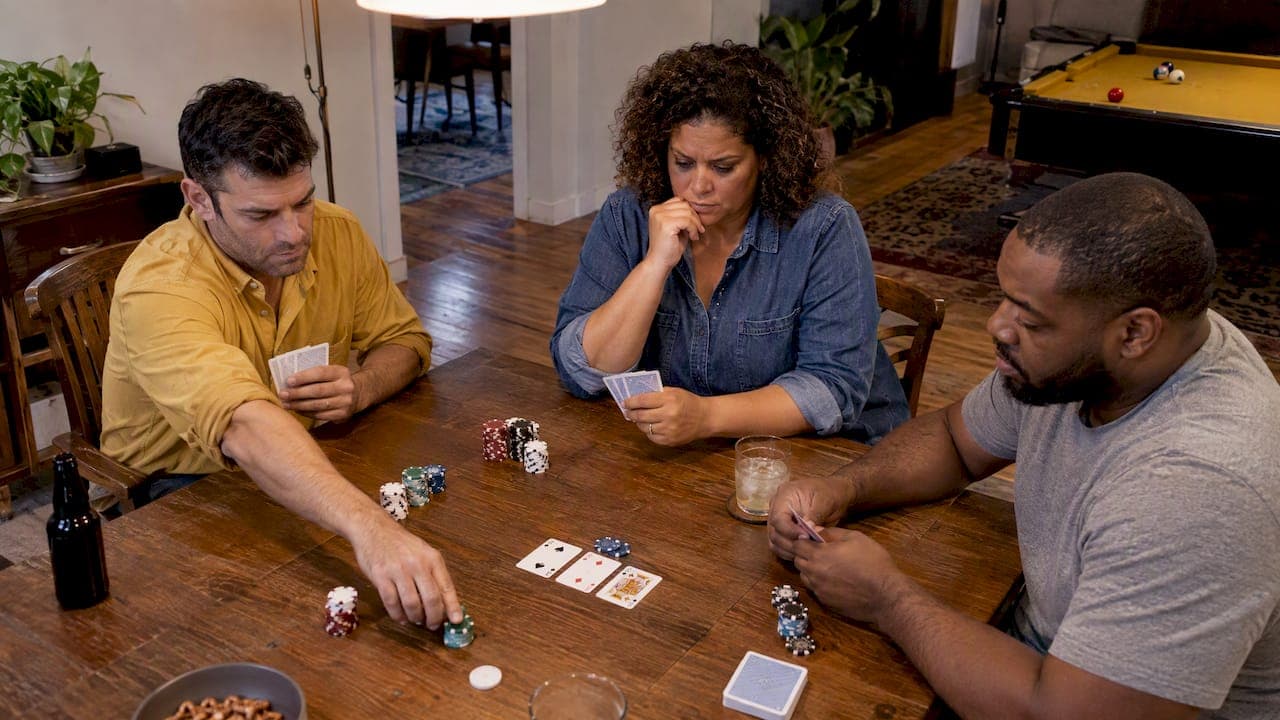
The most reliable way to run a great Houston poker night is to pick your format first: a casual home game for a small group, or a private room rental for anything bigger or later. Before guests arrive, confirm three things: the date and start time, the stakes and house rules everyone agrees to, and whether your setup qualifies as a private place under Texas law or sits inside a licensed venue.
TL;DR:
- For a Texas private place defense, keep the game rake free, charge no entry fee, and ensure every player faces identical odds.
- Casual groups commonly use $0.25/$0.50 or $0.50/$1 blinds and $20 to $50 starting stacks; publish stakes and rebuy rules before play.
- For tournaments, print a blind schedule, set a visible timer, and assign someone to manage timing, refreshments, dealing, and cash outs.
- A home table suits six friends, but larger gatherings or games that run late may need a private room with late hours and food service.
- Send invitations at least a week ahead with the date, format, entry amount, and address, then set an RSVP deadline two or three days before.
Table of Contents
- Poker night ideas and themes to build your night around
- Game formats, house rules, and stakes worth publishing in advance
- Choosing a venue: home game or private poker room rental
- Food, drinks, and atmosphere that keep the table playing
- Setup checklist and night-of roles that keep things running
- Getting the word out so your table actually fills up
- Decor and ambiance ideas that fit a Houston poker night
- Prize ideas and reward systems that keep players motivated
- Entertainment beyond the cards to round out the night
- Why consistent, well-run games build real community
- Booking a private poker room at Q Billiards Arena
- FAQ
- Sources
Poker night ideas and themes to build your night around
A theme gives your night structure and gives guests a reason to show up on time. Pick one of these, adjust the stakes to your group, and you have a ready-to-run event.
- Classic hold'em cash night: the default for mixed-experience groups; works for a small group with low-stakes blinds; pair it with a simple snack spread so nobody has to leave the table.
- Single-table tournament bracket: best for around eight or nine players who want a clear winner; use a moderate buy-in with rebuys in the first hour; print a blind schedule so the timer runs itself.
- Seven-deuce bonus night: add a side pot that pays out whenever someone wins a hand holding 7-2 offsuit; works at any table size and keeps bad hands fun to play.
- Date-night pairing: two couples or four friends play a short cash session before or after dinner; keep stakes low, 90 minutes max, so the game stays a warm-up rather than the whole evening.
- Non-profit prize swap: instead of cash payouts, players chip in for a shared prize or donate winnings to a cause everyone picks in advance; this keeps the night social rather than wager-driven.
- Hybrid online-to-in-person table: start a few hands over video with remote friends, then wrap the night at one physical table once everyone can meet up; good for groups scattered across the city.
- Decade or soundtrack night: build the whole evening, music, snacks, and dress code, around one decade or genre; works well for recurring groups who want variety without changing the game itself.
- High-hand of the hour: post a small bonus every hour for the best hand shown down; keeps casual players engaged even when they're not in the biggest pots.
- Late-night Houston special: start after 9 or 10 p.m. and lean into the city's late hours; this format fits best at a venue built for it rather than a home that needs to wind down by midnight.
- Charity or office rotation: rotate hosting duties monthly among a regular group, with one person handling food and another handling cards, so the work never falls on one host twice in a row.
Game formats, house rules, and stakes worth publishing in advance
Texas hold'em is the right default for almost every home group: it's the format most people already know, which keeps the table moving. Omaha or a novelty variant works well once your regulars want a change of pace, usually after a few sessions together.
- The 7/2 rule rewards a player who wins a hand while holding 7-2 offsuit, often with a small cash bonus from $2 to $10 funded by the table; it's optional, but it adds a reason to play weak hands for laughs.
- Straddling, where a player posts a voluntary blind before cards are dealt to raise the action, works best once your group is comfortable with bigger pots; cap it at one straddle per hand to avoid runaway stakes.
- Casual groups typically run $0.25/$0.50 or $0.50/$1 blinds with $20 to $50 buy-ins; semi-competitive groups move to $1/$2 or higher with $100-plus buy-ins and a rebuy period.
- Tournaments need a clear blind schedule and a timer; cash games just need posted stakes and a break cadence everyone can see.
Hosting guidance from GGPoker's home game advice recommends publishing rules and buy-ins before play starts and keeping a one-page hand-ranking cheat sheet on the table, which cuts down disputes and helps newer players stay comfortable.
Pro Tip: Post your stakes, blind schedule, and the 7/2 bonus amount on a single printed card so nobody has to ask twice.
Choosing a venue: home game or private poker room rental
Your living room works fine for six friends and a Tuesday night budget. Once the guest list grows, the hours get later, or you want a dedicated poker table instead of a kitchen table with a towel on it, a private room rental solves problems a home game can't.
Before booking anywhere, run through this checklist:
- Guest count and seating: does the space comfortably fit a full table plus a rail for anyone waiting?
- Noise and neighbors: will a late game disturb anyone, and does the venue have hours built for it?
- Food and drink: can the venue serve or allow food, or will you need to bring your own?
- Liability and legal footing: is the game happening in a private place with no house rake, per the private-place defense under Texas law?
- Minimum spend, deposit, and cancellation terms: get these in writing before you commit a date.
We built our poker room rental at Q Billiards Arena with exactly this gap in mind. Our space pairs a dedicated private room with late hours, a food and drink menu you can order from table-side, and a tournament-ready setup our staff can help arrange. Check our current hours and any running promos before you lock in a date, since schedules shift around tournament nights.
Food, drinks, and atmosphere that keep the table playing
Food should never pull players away from the game for long. Two menu approaches cover most groups.
- Casual finger-food kit: wings, chips and dip, sliders, and a cooler of canned drinks; everything eaten one-handed so cards keep moving.
- Elevated small-plates kit: charcuterie, flatbreads, and a couple of specialty cocktails for a date-night or VIP table, served in one wave rather than constant refills.
- Keep snacks on the table continuously, serve a main dish at the first break, and offer non-alcoholic options alongside any bar service.
- A felt table topper improves card handling and chip stability more than people expect, according to practical setup notes on hosting a home game, and a dimmed overhead light with a focused table lamp does more for the room than any decoration.
- For hosts who want help sourcing healthier snack options, Wellnosh's game day snack guide covers prep-ahead ideas that don't slow down the table.
Setup checklist and night-of roles that keep things running
A short pre-night list prevents most of the problems that derail home games.
- Confirm the guest list, stakes, and format at least two days ahead.
- Set up the table, chips, cards, and a visible timer the night before if possible.
- Assign one dealer or rotate dealing duties, one person to manage blinds and timing, one refreshment lead, and one cashier to handle buy-ins and payouts.
- Decide your rebuy and add-on window in advance, typically the first hour of a tournament.
- Read a 60-second script at the start: stakes, buy-in, rebuy rules, the 7/2 bonus if you're using it, and who handles cash-outs at the end.
Our poker home game etiquette guide covers ten rules that stop most disputes before they start, worth a skim if this is your first time hosting.
Pro Tip: Cash out in order of elimination, not all at once at the end, so nobody's waiting around after they've busted.
Getting the word out so your table actually fills up
A poker night lives or dies on turnout, and Houston's size means a casual text chain often isn't enough notice for people juggling long commutes. Send invites at least a week out with the date, format, buy-in, and address locked in, since vague plans get deprioritized fast.
A small group chat or shared calendar invite works better than a scattered text thread, especially once you're running the game monthly. Include a clear RSVP deadline, two or three days before the event, so you know your final headcount in time to order food or confirm a room booking.

If you're trying to grow beyond your regular crew, tap into existing Houston social circles: work friends, a neighborhood group, or a recreational sports league are usually full of people who'd play if asked directly. Posting in a local Facebook group or Nextdoor thread can work, but a personal invite from someone the player already knows converts far better than a public post.
For recurring games, consistency builds its own momentum. Keep the same night of the month and the same rough format, and people start to plan around it instead of needing a reminder every time. A short recap text after each session, who won, what the next date is, keeps the group warm between games.
Decor and ambiance ideas that fit a Houston poker night
You don't need a full casino buildout to make a poker night feel like an event. A few targeted touches go further than a room full of decorations.
Start with the table itself: a green or felt topper changes how cards slide and how chips stack, and it signals the night is a real game rather than cards tossed onto a bare surface. Dim the overhead lighting and add a single focused lamp or string lights over the table, which keeps the room relaxed without leaving players squinting at their cards.
A Houston-specific touch works well for groups that want local flavor: Astros or Texans gear if the night lines up with a game, or a simple Tex-Mex spread that doubles as both decor and dinner. Keep background music low enough that trash talk and table banter carry over it, since the social energy matters more than the soundtrack.
If you're hosting somewhere with more square footage, a rail of extra chairs near the table lets eliminated players stay in the room and keep the energy up rather than drifting off. For bigger or later nights, a dedicated room built for this kind of atmosphere already does most of this work for you, which is part of why a private rental makes sense once your group outgrows a kitchen table.
Prize ideas and reward systems that keep players motivated
Cash payouts are the obvious default, but a few alternative structures keep the night interesting without raising the stakes.
A simple winner-take-most split, first place getting the majority with smaller payouts for second and third, rewards the final table without making early elimination feel pointless. For recurring groups, a running points system that tracks finishes across multiple sessions gives players a reason to show up even on a night they're not feeling lucky, with a bigger prize or bragging rights going to whoever leads after a few months.
Non-cash prizes work well for mixed groups or anyone uneasy about wagering: a bottle of good bourbon, a gift card to a local restaurant, or a free seat at the next game all function as real incentives. The Texas private-place defense depends on identical odds and no house profit, so any prize funded by player contributions, rather than a house rake, keeps your game on the right side of that line.
For a lighter touch, side bonuses like the 7/2 rule mentioned earlier give players small wins throughout the night instead of saving all the drama for the final hand. Combining a modest cash prize with one memorable non-cash reward tends to keep both casual and competitive players engaged through the whole session.

Entertainment beyond the cards to round out the night
The best poker nights have something happening even when a player's not in a hand. A well-built playlist, two to three hours long so you're not restarting it, keeps the room's energy consistent without anyone needing to manage music mid-game.
For bigger gatherings, a side table with cornhole, dominoes, or a simple card game gives eliminated players something to do besides watching the table over your shoulder. If your group leans social rather than strictly competitive, consider pairing the poker table with a short pre-game activity: Houston's Museum District offers a self-guided outdoor murder-mystery walk that runs 60 to 90 minutes and works well as a lead-in to a later poker session for date nights or mixed groups.
For larger events or company nights, outside vendors can round out the entertainment without extra planning on your part. Terrifficsentertainment's group entertainment ideas cover DJ setups, photo booths, and karaoke systems that pair naturally with a poker night when you want more than cards on the agenda. If alcohol is part of your plan, checking local backyard alcohol rules and permit requirements before the event keeps a home game on solid footing.
Why consistent, well-run games build real community
Running the same game on the same night, month after month, does more for a group than any single theme or prize ever will. The nights people remember aren't the ones with the biggest pot, they're the ones where the rules were clear, the food showed up on time, and nobody had to referee a dispute over a straddle.
That's the same standard we hold at our tournaments and late-night sessions: predictable structure, a room built for the game, and staff who've seen every house-rule argument before. If your group is outgrowing a kitchen table, a private room is worth considering for your next big night.
— Q
Booking a private poker room at Q Billiards Arena
Once your group needs more than a kitchen table, we make the move easy. The private poker room offers late hours suitable for games running past midnight, a food and drink menu you can order from without leaving the table, and staff support to help your event run smoothly from start to finish.
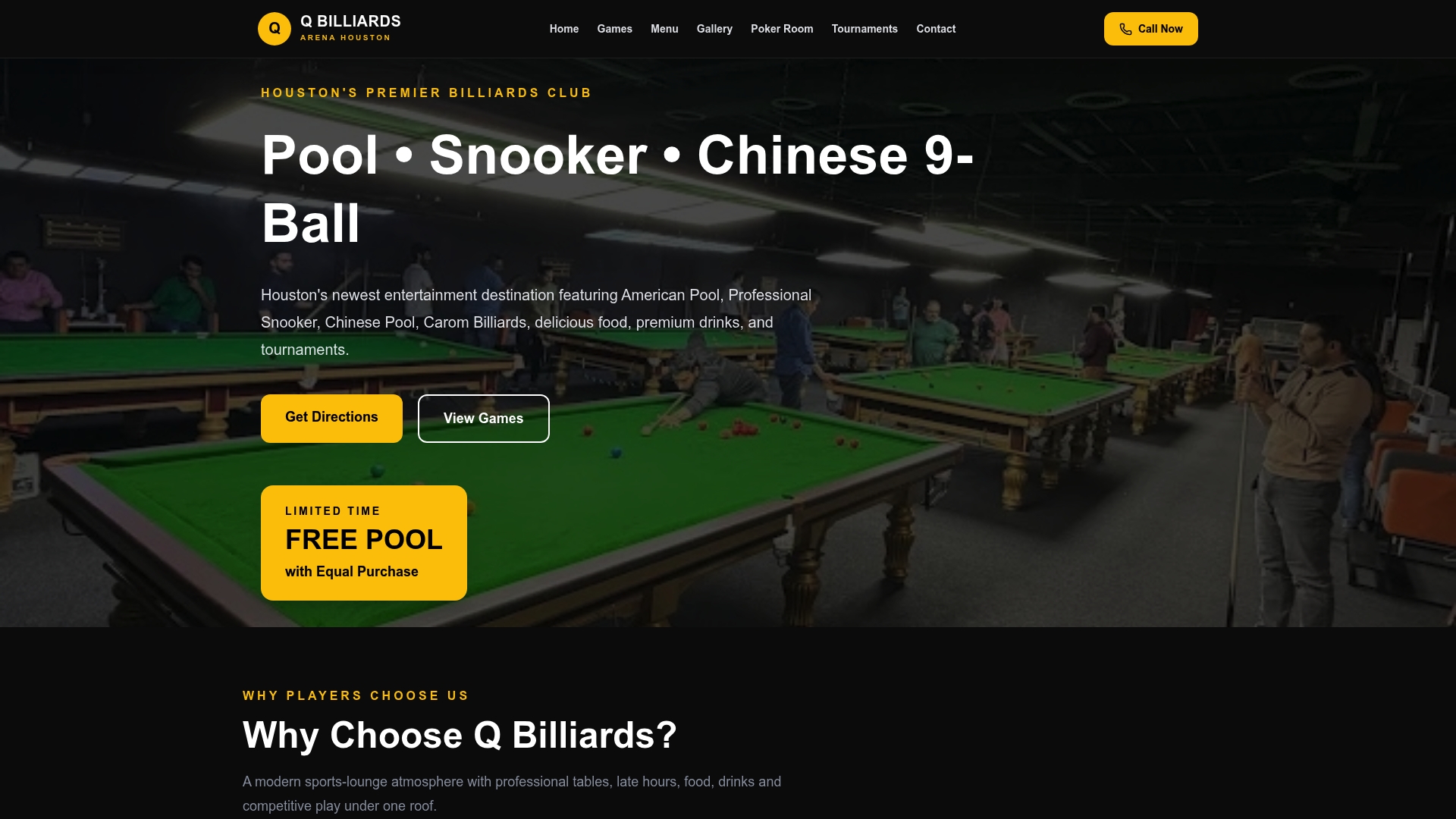
- Private room: a dedicated space built for cards, not a repurposed meeting room.
- Late hours: play as long as your group wants without worrying about closing time.
- Food and drink service: order on-site so nobody has to step away from the table.
- Event support: our staff can help with tournament structure and timing for bigger groups.
Check availability and reserve your date through our poker room rental page, or reach out through our events page if you're planning a larger group booking.
FAQ
What is the 7/2 rule in poker?
The 7/2 rule is a house bonus some games use, paying a small reward, often $2 to $10, to a player who wins a hand while holding 7-2 offsuit, widely considered the worst starting hand. It's an optional house rule you agree on before play, not a standard rule of poker itself.
Is it legal to host a poker night in Houston?
Live poker is legal for players in Houston when the game happens in a private place under the Texas §47 private-place defense, which requires that no one profits from running the game and all players face identical odds. The defense disappears if a host charges an entry fee, takes a rake, or banks the game, so keep your night rake-free and host it in a genuinely private setting.
How do I make a poker night more fun?
Add a side incentive like the 7/2 bonus or an hourly high-hand prize, keep snacks on the table continuously so nobody leaves mid-hand, and build a playlist long enough to cover the whole session. Publishing your rules and stakes in advance, as recommended in GGPoker's hosting guide, also keeps the energy positive by cutting down on disputes.
What's a good date-night alternative to poker in Houston?
An outdoor, self-guided murder-mystery walk through Houston's Museum District runs 60 to 90 minutes and works well as a pre- or post-poker date-night activity. It pairs naturally with a shorter, lower-stakes poker session afterward for couples who want both activities in one evening.
Where can I rent a private poker room in Houston?
We offer a dedicated private poker room at Q Billiards Arena with late hours and on-site food and drink service, bookable through our poker room rental page. It's built for groups that have outgrown a home setup and want a space designed specifically for the game.
Sources
- How to Host the Perfect Poker Home Game | GGPoker
- Texas Social Gambling Rules (2026) | CityRuleLookup
- Murder Mystery: Crime on Date Night in Museum District | Questo