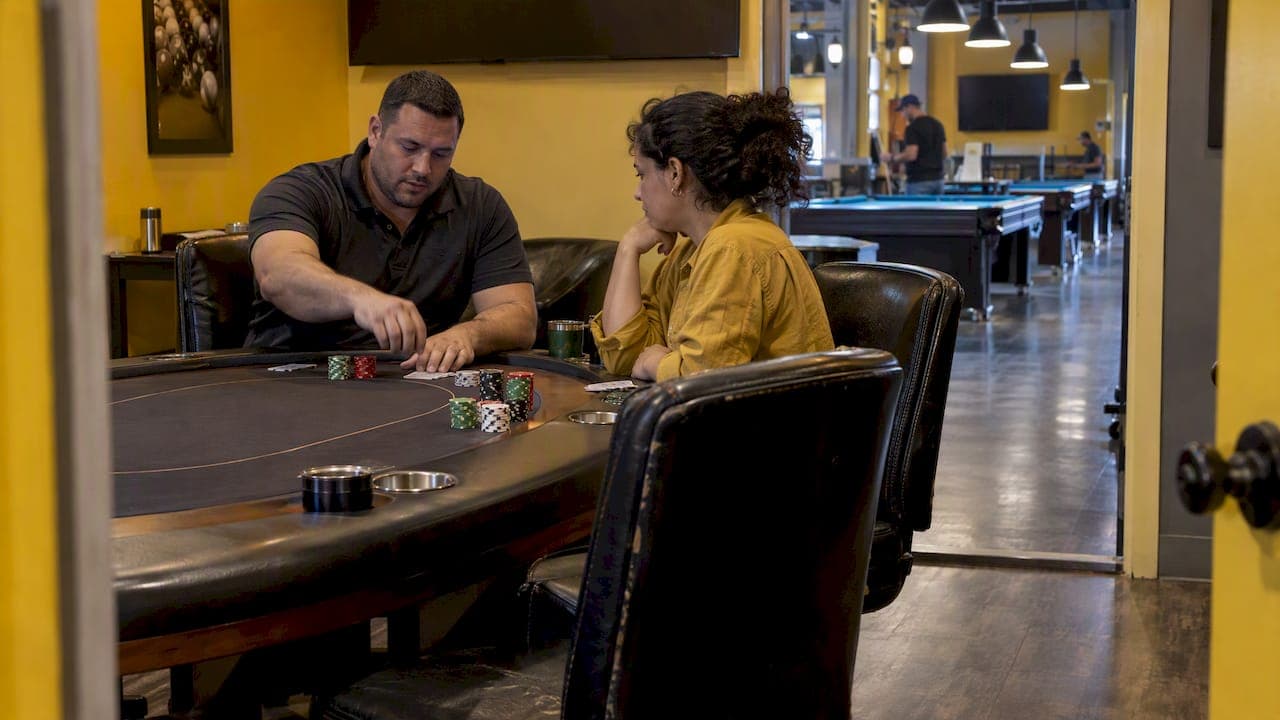
Adopt a one-page written rulesheet before your next poker night. It should cover buy-ins and chip handling, the table-stakes principle, shuffle and dealing procedures, basic etiquette, and a simple blind schedule for tournament play. A short, posted rulesheet settles most arguments before they start and lets the group self-govern instead of leaning on the host to referee every hand.
TL;DR:
- Close tournament registration after a posted level, often level four or five, end reentries and add ons then, and publish payouts before play begins.
- Limit games commonly cap each round at one bet and three raises, while games without a betting cap allow unlimited raises.
- When a player commits a full stack, keep their contribution in the main pot and build separate side pots for players who continue betting.
- When a pot is disputed, pause play, hear each account, check the posted rule, and hold the chips until the issue is resolved.
- Because rake and participation fees may be illegal without a gaming license, check local law before collecting any fee from the pot.
Table of Contents
- Core house rules for buy-ins, dealing, and showdowns
- Betting order, raise caps, and how side pots work
- Etiquette, conduct, and what happens when someone breaks the rules
- What hosts need before players sit down
- Running a private tournament: blinds, re-entry, and payouts
- Settling disputes and staying on the right side of the law
- Entry and membership rules for a private poker room
- Scheduling and time limits for a private game
- Behavior expectations specific to a private room setting
- Facility and equipment policies for the room itself
- Keeping a private poker room safe and secure
- What I've learned hosting games and renting out a private room
- Book a private poker room instead of hosting at home
- FAQ
- Sources
Core house rules for buy-ins, dealing, and showdowns
Every private game needs agreed procedures for money and cards, not just a stack of chips and good intentions. A full buy-in sets a minimum purchase amount, while a short buy-in allows a smaller stack for players joining mid-session. Rebuys and add-ons should have a clear cutoff, often the end of a set registration period or a fixed number of levels.
The table-stakes principle means a player can only bet what is already in front of them. Cash never goes directly into the pot. Chips represent money, and conversions happen at the rail, not on the felt, according to Robert's Rules of Poker for private games.
Dealer rotation, shuffle, and cut procedures keep the game fair and prevent accusations of stacking a deck. A reasonable private-game standard is to shuffle and cut the deck multiple times to ensure fairness.
- Misdeals void the hand before betting starts if the first card is dealt incorrectly or an extra card is exposed.
- Fouled decks (torn, marked, or mismatched cards) are swapped immediately and the hand replayed.
- Showdown order runs clockwise starting with the last aggressor, or the player left of the button if no bet occurred.
- Tied hands split the pot evenly, since suits never break ties, per the standard hand-ranking reference.
Posting these rules where everyone can see them removes the guesswork and keeps disputes rare.
Betting order, raise caps, and how side pots work
Action moves clockwise from the player left of the big blind, with the button rotating one seat after each hand. Everyone acts in turn, and skipping a position out of impatience void the hand's integrity even when no money changes hands yet.
- Limit games commonly cap betting at one bet plus three raises per round, a convention many private groups borrow from cardroom tradition.
- No-limit games allow any raise at least equal to the previous bet or raise, with no cap on the number of raises.
- All-in declarations happen the moment a player pushes their entire stack forward; betting continues among remaining players for a side pot.
- Side pots get built separately from the main pot, and all players with a stake in a pot table their cards at showdown.
A host who announces the rules out loud before the first hand saves time later. A simple script works: "Table-stakes only, three-raise cap in limit games, no-limit games have no raise cap, and all-in players always get to see the river."
Etiquette, conduct, and what happens when someone breaks the rules
Good etiquette keeps a friendly game fast and fair. Acting out of turn, revealing a folded hand, or splashing chips into the pot without a clear count all slow things down and create confusion about what was actually bet.
- Act in turn and keep your cards protected with a chip or card cover until the hand is over.
- Never reveal folded cards while a hand is still live, even as a joke.
- Keep devices silent, and ban covert recording or wearable cameras outright since they raise integrity concerns the group cannot police casually.
- Watch for collusion signals: unusual folding patterns between two players, signaling with chip placement, or soft-playing a friend's big stack.
Pro Tip: Post a three-step consequence ladder (verbal warning, a forced sit-out for one orbit, removal from the game) so enforcement feels procedural rather than personal.
A host who catches suspected collusion should pause the hand, separate the players verbally, and apply the posted rule rather than improvising a punishment on the spot. For a longer etiquette checklist, see our home game etiquette guide.
What hosts need before players sit down
A smooth game starts with the right gear laid out ahead of time. Two decks of plastic-coated cards, a chip set with enough denominations for the buy-in structure, and a dealer button are the baseline.
- Cards and chips: two matching decks (rotate them each hand), and enough chips so no color runs short mid-session.
- Optional tools: an automatic shuffler, all-in buttons, and a visible countdown timer reduce disputes over pace and fairness.
- Food and drinks: keep plates and cups off the table edge to avoid spilled chips or soaked pots; our make-ahead poker night food guide covers one-hand snacks that keep fingers clean.
- Pre-night checklist: confirm buy-in amounts, print the rulesheet, test the timer, and set seating before the first player arrives.
Running a private tournament: blinds, re-entry, and payouts
A private tournament needs a blind schedule that matches how long players want to play. Typical tournament blind levels vary in duration depending on the event pace and player count. Our blind structure guide walks through sample schedules by player count.
- Registration should close after a set number of levels, often level four or five, with a clearly posted late-entry window.
- Re-entry and add-ons, when allowed, should end at the same registration cutoff to keep the structure predictable.
- Table balancing happens at breaks: move the shortest-stacked players from an over-full table to keep seat counts even.
- Payouts can follow a simple top-three split or a flatter structure for larger fields; decide and post the split before the first hand.
The Poker Tournament Directors Association recommends standardized procedures for timing, clocks, and dispute handling, and private hosts can borrow the same framework for a clock with a countdown warning before each level change. For deeper structures, our tournament structure and blind schedule guide has ready-to-run templates.
Settling disputes and staying on the right side of the law
Disputes go smoother with a fixed workflow: pause the hand, ask each player to state what happened, check the written rule, then let the host or a quick majority vote decide. Reconstructing a confused pot works best with the first-riffle-starts-deal principle: whatever the deck looked like the moment the first card was dealt defines what is live.
- Impound the pot if money or chips can't be sorted out quickly, and resolve it before the next hand starts.
- Apply the posted rule, not a guess, even when the ruling feels harsh to one player.
- Stop and advise participants to check local law if the question involves charging for play rather than simple poker disputes.
Taking a rake or charging players to play is restricted or illegal in many states without a gaming license, according to Robert's Rules of Poker, which specifically warns hosts to confirm their state's treatment of private games before collecting any fee from the pot.
Entry and membership rules for a private poker room
A private room, whether it's a rented space or a dedicated area inside a larger venue, works best with clear entry terms set before the first invitation goes out. Decide who can attend: a closed list of regulars, a referral-only policy, or an open sign-up with a cap on seats. Posting the headcount limit avoids the awkward moment of turning someone away at the door.
Membership-style private rooms, where the same group returns weekly or monthly, benefit from a simple standing roster. New players get added only with a current member's sponsorship, which keeps the game's trust level consistent and reduces the chance of inviting someone unfamiliar with the house rules.
Age verification matters in any private game, and hosts should confirm every player meets the legal gambling age in their jurisdiction before they sit down. A reservation or booking confirmation, even for a casual weekly game, gives the host a record of who agreed to attend and helps with planning seat counts and buy-in totals ahead of time.
For a rented space, entry terms usually come bundled with the booking: a confirmed reservation window, a maximum guest count, and sometimes a required minimum spend on food or table time. Reviewing those terms with the group ahead of the event prevents confusion about who is actually allowed through the door that night.

Scheduling and time limits for a private game
A private game runs smoother when start and end times are set in advance rather than left open-ended. Posting a start time, an expected wrap-up time, and a policy on extending the session gives players a reason to show up on time and lets everyone plan their night around it.
Late arrivals need a clear rule: do they buy in at the table's current stack average, or do they wait for the next scheduled break? Deciding this ahead of time avoids a debate mid-session. The same goes for early departures. A player who wants to cash out mid-game should know whether that's allowed freely or restricted to natural breaks in play.
For recurring games, a fixed weekly or monthly slot helps the group build a habit and reduces the no-show rate that comes with constantly renegotiating the date. Booking a specific block of time, especially in a rented room, also protects against running past a venue's closing hours or into another group's reservation.
Time limits matter even more for tournament-style private nights, where a blind schedule assumes a certain pace. Posting an estimated finish time based on the blind structure and player count, as outlined in our tournament section above, keeps the night from dragging into the early morning hours.
Behavior expectations specific to a private room setting
A private room carries a different social contract than a casual kitchen-table game. Players share a dedicated space, often with other groups nearby, which means conduct rules extend beyond the table itself. Keeping noise at a reasonable level, especially during late-night sessions, respects both the other players at the table and anyone else using the facility.
Respecting the room's physical setup matters just as much as respecting the cards. That means no food or drinks placed directly on the felt, no standing on furniture, and no rearranging the room's layout without checking with whoever manages the space. A posted house rule on these points, visible near the entrance, sets the tone before anyone sits down.
Private rooms often host mixed groups of regulars and guests, so introducing newcomers to the house rules before the first hand prevents awkward corrections mid-game. A quick verbal rundown, or a printed copy left on the table, covers buy-in size, betting structure, and the basic conduct expectations in under two minutes.
Guests should also understand that private-room etiquette includes respecting other players' privacy: no photographing the table, no posting hand details or player identities online without permission, and no bringing uninvited guests without checking with the host first. These norms protect the casual, trust-based nature of a private game and keep regulars comfortable returning week after week.

Facility and equipment policies for the room itself
A private poker room typically comes with house equipment: a felt-top table, a chip set, cards, and sometimes a dealer tray or shuffler. Treating that equipment with care, keeping drinks in cup holders rather than near the felt, and reporting any damaged cards or chips immediately keeps the room usable for the next group.
Some rooms restrict bringing in outside card decks or chip sets to keep the game standardized and prevent disputes over marked or mismatched cards. Checking this policy before the event avoids an awkward moment of having to put personal equipment away at the door.
Audio and visual equipment, when the room includes a television or music system, usually comes with its own usage guidelines. Confirming volume limits and whether players can connect their own devices avoids disrupting other parts of the facility.
Cleanup responsibilities should be clear from the start: who clears cups and plates, whether chips need to be sorted and returned to the rack, and what time the room needs to be vacated. A room that handles these details consistently keeps turnover fast between groups and avoids extra charges for a late or messy exit.
Keeping a private poker room safe and secure
Safety in a private poker room starts with basic awareness of who is in the space and why. Limiting entry to invited players and their confirmed guests, rather than leaving the door open to walk-ins, keeps the environment predictable and reduces the chance of theft or disruption.
Cash and valuables deserve some thought even in a casual setting. Keeping buy-in cash in a designated, visible spot rather than scattered across the table, and avoiding large cash piles in plain view near windows or entrances, lowers the risk of an opportunistic grab.
A room with controlled access, whether through a staffed entrance or a locked door that requires a host to let people in, adds a layer of security that a casual home game can't always match. Fire exits, clear walkways, and basic first-aid availability matter too, especially for late-night sessions that run several hours.
Finally, a room with on-site staff or a managed facility gives players somewhere to flag a concern immediately, whether that's a dispute escalating or an uninvited guest trying to join mid-session, rather than relying on one host to handle everything alone.
What I've learned hosting games and renting out a private room
Post the rules where everyone can see them, and keep a visible chip tray and a clock running even in a casual game. Having real equipment and food on hand cuts down on the small frictions that turn into arguments. Revisit the rulesheet after every session and fix whatever caused the one dispute that came up.
— Q
Book a private poker room instead of hosting at home
Running a private game at home means supplying every chip, every deck, and every folding chair yourself, then cleaning up after. You can rent a private poker room that provides a dedicated space with equipment on hand and a food and drink menu your players can order from all night, so the only thing you manage is the game itself.

- A reserved private room instead of clearing out a living room
- House equipment ready to go, no chip count to track down beforehand
- On-site food and drinks so players never have to leave the table
- Posted house rules enforced by venue staff, with tournament support available on request
Check availability and details on our Poker Room Rental page before your next game night.
FAQ
What are the basic rules of poker?
Basic poker rules cover betting in turn, matching or raising the previous bet, and showing the best five-card hand at showdown to win the pot. Standard hand rankings run from a Royal Flush down to High Card, with ties splitting the pot evenly according to the standard hand-ranking reference.
Is a full house better than three of a kind?
Yes, a full house beats three of a kind in standard poker hand rankings. A full house combines three matching cards with a separate pair, ranking just below a flush and above a flush in the established hand order.
Is it illegal to take a rake in poker?
Taking a rake or charging players to participate in poker can be restricted or illegal without a gaming license, and the rules vary by state. Robert's Rules of Poker advises hosts to confirm their local law before collecting any fee from a private game.
What is a bad beat in poker?
A bad beat happens when a strong hand, often a high-ranking one like a full house or better, loses to an even stronger hand completed on a later card. It's a common term in casual conversation rather than an official rule, and it carries no special procedural consequence at a private table.
How do I manage bankroll for regular poker nights?
Setting a fixed amount you're willing to lose before sitting down, and sticking to it regardless of how the session goes, keeps a regular private game sustainable. Resources on bankroll management cover practical discipline strategies that apply directly to home poker budgeting.
Sources
- Poker hands ranked — Britannica
- Poker TDA rules, procedures & addendum
- Robert's Rules of Poker — Version 10 (private-game variant)