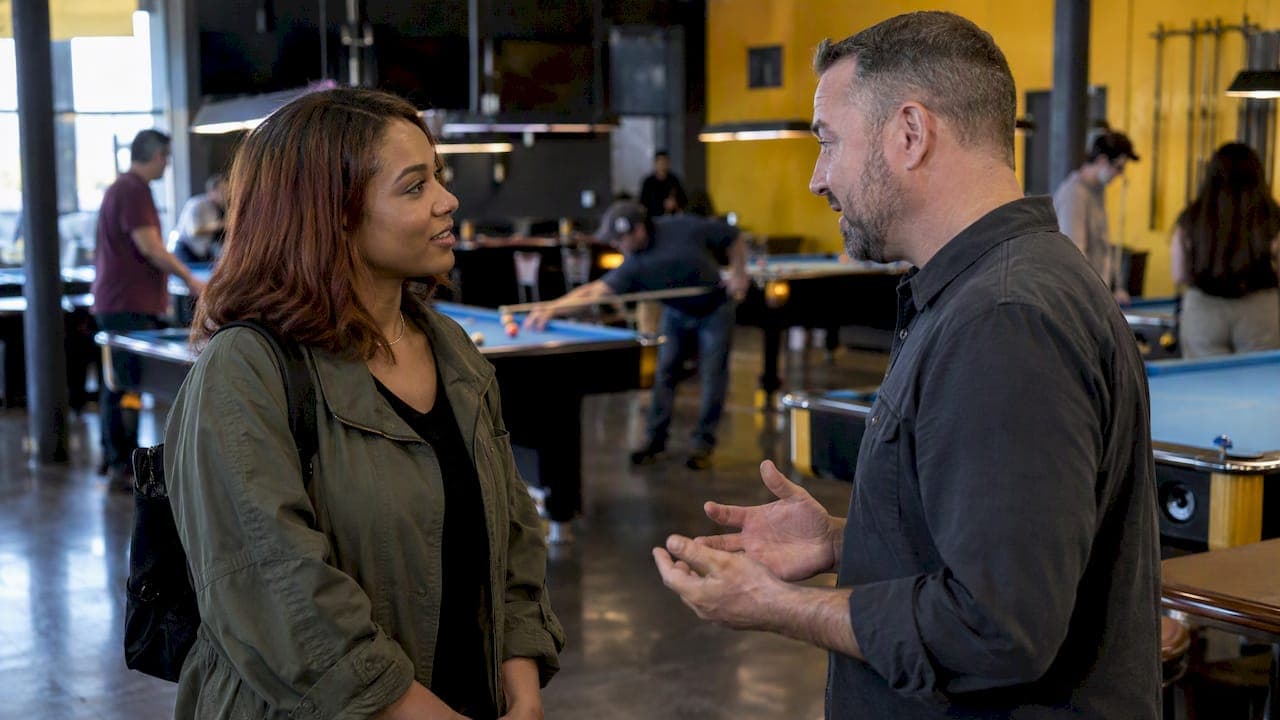
Plan on 2 to 4 hours, a friendly crowd, a fair amount of waiting between matches, and some cash in your pocket. League night is a social event with a scoreboard attached, not a high-pressure tournament. This guide covers what happens from the moment you walk in, what it costs, how to behave, and how to avoid the mistakes newcomers make.
TL;DR
- Expect a 2 to 4 hour evening. Arrive early, because many leagues forfeit a match when a team is about 15 minutes late.
- Budget cash for dues, food and drinks. Most amateur leagues run mostly on cash, collected by the captain.
- Handicaps level the field, so being the newest player does not make you the weak link.
- Etiquette matters more than skill: stay still while others shoot, call your own fouls, and leave coaching to the captain.
- Your captain controls lineups. Sitting out a week is strategy, not a verdict on you.
Table of Contents
- What league night looks like from start to finish
- Timing: why "on time" really means early
- What it costs
- Etiquette: the unwritten rules that matter most
- Handicaps: why you are not the weak link
- Your captain runs your night
- What to bring
- Food, drinks and staying sharp for three hours
- Our perspective: what we see in a Houston room
- Testing yourself before you commit
- A first-night checklist
- Common mistakes first-timers make
- FAQ
- Sources
What league night looks like from start to finish
Most leagues meet weekly at a bar or pool hall. According to Quarter King Billiards' first-timer guide, you show up at the venue, meet your teammates and probably play a match or two. The same guide puts the total commitment at roughly 2 to 4 hours, with socializing and waiting built in.
Here is a typical rhythm:
- Arrival and check-in. Find your captain, confirm the lineup, and pay dues if they are due that week.
- Practice window. Some leagues give each team exclusive table time before matches. One regional APA bylaw sheet gives the home team the match table for the first half hour, then the visitors the next half hour. Rules vary by league, so ask.
- Matches. Players are called to the table in lineup order. Between your turns you sit, cheer, eat and keep score if asked.
- Wrap-up. Scoresheets are signed, the captain collects what is owed, and many teams stay for one more drink and a recap.
The waiting is the part first-timers do not expect. You may shoot for 30 minutes and spend two hours watching teammates. Treat it as the social half of the night.
Timing: why "on time" really means early
Start times are real. Quarter King notes that many leagues forfeit a match when a team is 15 minutes past the scheduled start. That is a common rule, not a universal one, so read your league's bylaws.
A practical plan:
- Aim to arrive 20 to 30 minutes before the first match.
- Tell your captain immediately if you are running late, so the lineup can change.
- Eat before or order food early. A hungry player at 9 PM shoots worse than a fed one.
Houston traffic is its own variable. If your league night falls on a weeknight, leave work with a buffer or you will be the player texting from the freeway while your team scrambles.
What it costs

League night is cheap compared with most nightlife, but it is not free. Typical estimates run about $20 to $40 per night once food and drink are included, and tournament entry fees often fall between $10 and $30. Your own league will set its dues, so treat these as ballparks.
Three cost points surprise newcomers:
- Cash is king. Billiard Action Time points out that newcomers often forget cash for team dues and drinks, because leagues are largely cash-based. Captains collect and pass money to the league operator.
- Table time may be separate. Some venues bill table rental on top of league fees. Ask before the season starts.
- Food adds up. A full dinner and a couple of drinks can cost more than your dues.
For reference, at our Houston room American pool runs $10 per hour, standard snooker $15, heated snooker $20, and Chinese 9-ball and carom billiards $15 per hour. If your team wants extra practice before the season, that is what a practice hour costs.
Etiquette: the unwritten rules that matter most
League manuals are blunt about this. The APA team manual tells players to play within the spirit of the rules, and it treats sharking and slamming equipment as sportsmanship violations that can lead to disqualification. Another circuit's tournament rules say unsportsmanlike conduct can bring penalties from a warning up to being banned.
What that means at the table:
- Stay quiet and still while your opponent is shooting. Do not walk through their line of sight or talk behind them.
- Call your own fouls. If you touched the cue ball, say so.
- No unsolicited coaching. Give advice only when your captain or the rules allow it, and keep it short.
- Keep the pace. Be ready to shoot when it is your turn. Long pauses wear out opponents and the schedule.
- Respect the equipment. Slamming a cue or the table gets you noticed for the wrong reasons.
- Win at the table. Experts in the APA manual point out that challenging opponents through rules-lawyering does not sustain a healthy league community.
We go deeper on this in our guide to pool hall etiquette for beginners and league play, including how to handle a sharking opponent without escalating.
Handicaps: why you are not the weak link
The handicap is what lets a beginner and a veteran sit on the same team. According to the Nightly Rack guide on running leagues, the handicap system is the most important element for keeping players, because it keeps novices competitive and stops the bottom of a division from quitting midseason.
In practice:
- Your skill level is set from your early matches and adjusts as you play.
- Higher-rated players have to win more games to take a match.
- Do not try to look worse than you are. The APA manual describes "sandbagging" (keeping a skill level artificially low) as a constant point of contention, and most leagues handle it through formal written complaints.
If you want the math behind it, read our pool handicap system guide with charts and examples.
Your captain runs your night
The captain is your link to the league. UPA team guidelines describe a structured, nationwide format meant to produce fair, orderly league nights, and captains are the ones who handle lineups, paperwork and communication with the league operator.
A few things to know:
- You may not play every week. Captains balance roster strengths to stay within league limits, so a sit-out is usually strategy, not a judgment of you.
- Ask your captain early what they expect: arrival time, who pays what, and how lineups get decided.
- Support your teammates. The APA manual's message is that the match belongs to the players, and good teams cheer each other on without crowding or distracting anyone.
If you are still choosing a league, our walkthrough on how to join a pool league this season covers the sign-up steps.
What to bring
Keep the bag simple.
- Cash for dues, drinks and tips.
- Your own cue if you have one. House cues work fine for a first night.
- Chalk and a towel or glove if your hands sweat.
- A phone charger. Long nights drain batteries, and scorekeeping apps are common.
- Comfortable shoes. You will stand for hours.
Our five-item pool bag list and table size guide goes through the gear in more detail. On clothing, what to wear for play or tournaments answers most questions. Short answer: neat, comfortable, nothing that restricts your stroke.
Food, drinks and staying sharp for three hours

A long evening is partly about endurance. Billiards owners interviewed about community-building say good food, drinks and lounge amenities matter nearly as much as the tables for keeping league members engaged. We agree. Players who graze on something light and drink water between matches stay steadier than those who skip dinner and go heavy on sugar or alcohol.
A few habits that help:
- Order a shareable snack early so it arrives before your match, not during it.
- Alternate drinks with water.
- Keep greasy food away from your hands near the cue. Wipe them before you shoot.
See our picks in the best snacks for pool night, and for pacing advice, weeknight pool league tips.
Our perspective: what we see in a Houston room
We run a 11,000 square foot room with 25 professional-grade tables, and the tension we notice most is between the people who come to compete and the people who come to belong. Both are welcome, and the best nights happen when they overlap.
Here is what we tell anyone nervous about their first league night:
- Show up early, even if you are only watching. Seeing one match played start to finish teaches more than any rulebook.
- Practice before the season. An hour on a table at $10 for American pool takes the edge off. Many first-timers tell us the nerves fade after the first rack.
- Pick the format that fits your personality. Some players love the weekly rhythm of a team league, others prefer one-night events. We run Tuesday and Friday night pool tournaments at $10 each for exactly that reason, and they work as a low-stakes way to test your nerves before committing to a season.
- Eat and drink like it is a long night. Our late hours, which run until 2 to 4 AM, mean nobody has to rush a post-match drink.
The league is about the people at the table with you. The scores fade by the next week, but the team stays.
— Q
Testing yourself before you commit
If you are not sure league play is for you, a trial run helps. Try a casual hour with friends, then enter a one-night event. You will learn how you handle pressure, how fast you shoot, and whether you like the waiting.
At Q Billiards Arena, you can:
- Rent an American pool table at $10 per hour for practice. Our game and rate page lists every table type.
- Enter a Tuesday or Friday night tournament for $10, as listed on our pool tournament page.
- Order food and drinks from our menu while you play.
- Try a different game, such as snooker or Chinese 9-ball, if you want to mix it up.
If your team or friend group wants a private spot for a gathering, we also offer poker room rental. Ask us for details, because we do not publish a price for it.
A first-night checklist
| Before you go | At the venue | After your match |
|---|---|---|
| Confirm start time and format with your captain | Arrive 20 to 30 minutes early | Sign the scoresheet if asked |
| Pack cash, chalk and your cue | Check in and pay dues | Thank your opponent, win or lose |
| Eat a light meal | Learn the table rules and pocket calls | Stay for a drink with the team |
| Read the league bylaws | Watch a match before yours | Ask your captain for feedback |
Common mistakes first-timers make
- Treating it like a tournament. The first night is not a high-pressure event. Most teams welcome new players.
- Forgetting cash. Dues and drinks often go unpaid because card readers are not part of a league's routine.
- Coaching an opponent or teammate unprompted. It is the quickest way to annoy people.
- Taking a sit-out personally. Lineup strategy is the captain's call.
- Arriving at the last minute. A late team can lose a match before anyone shoots.
FAQ
How long does league night last?
Plan for 2 to 4 hours. That includes socializing and waiting between matches as well as your own games. Ask your captain for the expected finish time so you can plan the rest of your evening.
How much should I bring?
Estimates for a typical night, including food and drink, run about $20 to $40, though your league's dues will set the baseline. Bring cash because many leagues collect dues in cash through the captain. Ask about table fees too.
Do I need my own cue?
No. House cues are fine for a first night, and many players try the league before buying equipment. If you decide to stay, a personal cue is a good upgrade once you know your preferences.
What happens if I am late?
Many leagues forfeit a match when a team is about 15 minutes past the scheduled start, so call your captain right away. Check your league's own rules, since the grace period varies.
Will I be the weak link as a beginner?
No, because handicaps are designed to level the field. A newer player has fewer games to win than a veteran, so you contribute to the team from your first night.
Sources
- Joining a Pool League: Your First-Time Guide, Quarter King Billiards
- American Poolplayers Association team manual
- APA regional bylaws, 8-Ball Sunday
- UPA Team Guidelines
- How to run a pool league, Nightly Rack
- Your First Pool Tournament, Billiard Action Time
- TAP Pool tournament rules
- Queensbury Billiards and Café, Buying Local