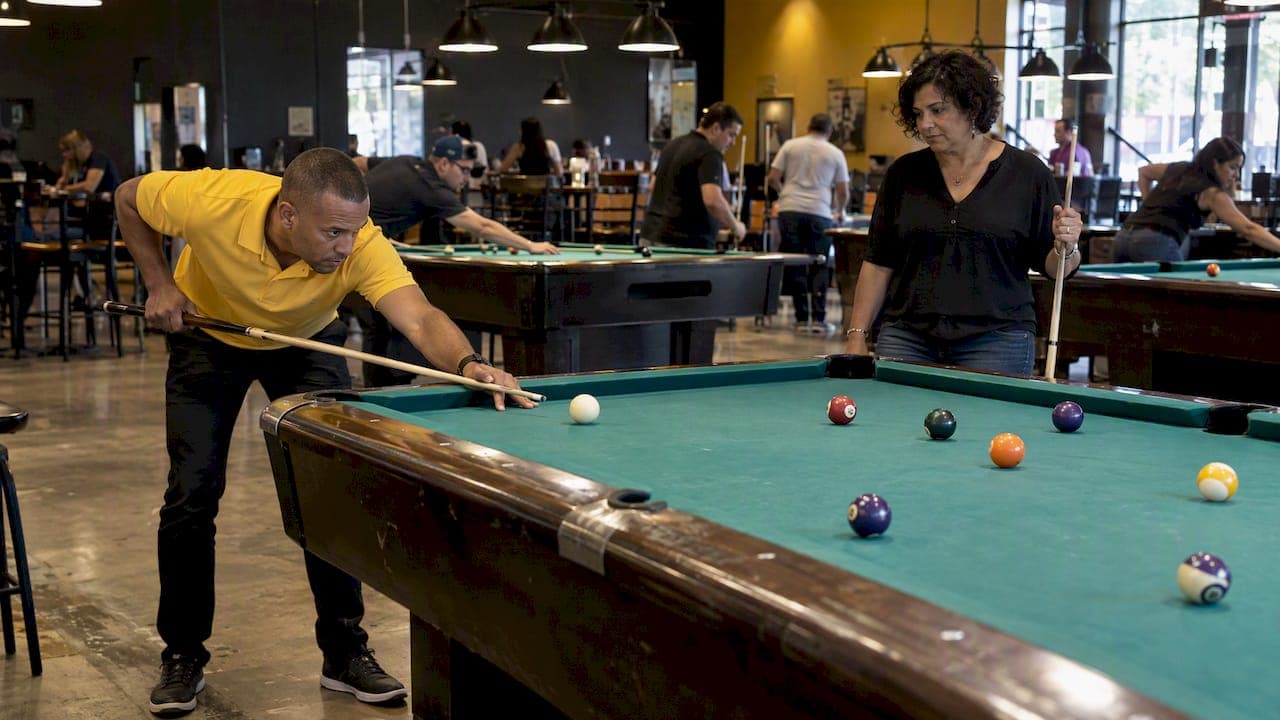
The best charity pool tournament is one a first-timer can join in two minutes and a regular still wants to win. Pick a simple format (Scotch doubles, a single-elimination bracket or a scored three-player game), add two or three side fundraisers, and be clear with donors about what is and isn't tax-deductible. Below are the formats, add-ons, entry fees and rules to check, with examples from real events.
TL;DR
- Keep the format simple: single elimination with 8 to 32 players, or Scotch doubles, so casual players aren't intimidated.
- Entry fees alone rarely carry an event. Pair them with raffles, a silent auction, sponsors and direct donations.
- Entry fees and raffle tickets buy something of value, so they are not automatically tax-deductible. Tell donors what portion is.
- Raffles and prize-based games are regulated state by state. In Texas, check before you sell tickets.
- Choose a venue with enough tables, food and late hours so the night runs on time.
Table of Contents
- Start with the room, then the format
- Twelve charity pool tournament ideas
- Add fundraisers around the bracket
- Setting the entry fee
- Rules to check before you sell tickets
- Our perspective: what makes a charity night work
- Hosting it at Q Billiards Arena
- A simple run of show
- FAQ
- Sources
Start with the room, then the format
Before choosing a format, count tables and players. A single-elimination bracket of 8 to 32 players is the most manageable shape for a casual or charity night, according to a tournament-organizing guide from Score7. Double elimination suits league players who expect a second chance, but it adds rounds and time.

A rough rule: the more first-time players you expect, the shorter each match should be. Race-to-three or one timed rack beats a long race. Players who lose early will stay and spend money on food, drinks and raffle tickets only if the night keeps moving.
Our own checklist for an 8 ball event covers the six things that most often slow a night down, and how to host a pool tournament people actually enjoy goes deeper on pacing.
Twelve charity pool tournament ideas
1. Scotch doubles
Two teammates alternate shots. Organizers on a billiards forum say it works well for charity and social events because it forces interaction and pairs nervous beginners with experienced players, as described in a Scotch doubles event listing and discussion. That same event capped combined skill ratings at 1250 so strong teams couldn't sweep the field. If you have a mixed crowd, a cap or a handicap is worth the extra minute at registration. Our Scotch doubles rules explain the lag for the break and the shot order.
2. Open 8-ball bracket
The default for a reason: everyone knows the rules. Cap the field at 16 or 32, seed by draw rather than rating, and run a race to three or four. This is the easiest format to explain in one announcement.
3. Blind draw doubles
Every player pays the entry fee, then draws a partner from a hat. Strong players end up with beginners and the room mixes. It also removes the problem of finding a teammate, which is one reason casual guests skip tournaments.
4. Cutthroat with scoring
Three-player games are awkward for serious play, but a billiards instructor's article on cutthroat notes they work socially when winners earn points for balls remaining. That keeps every table lively and doesn't demand high skill. Use it as a side event for guests who lose early.
5. Skills challenge
Run a few stations for tips: a bank shot, a straight-in cut, a draw shot. Charge a few dollars per attempt. It suits people who don't want to play a full match, and it makes good entertainment for spectators.

6. Team tournament by company or club
Sell team entries to local employers, clubs or friend groups, and let each team name itself. Sponsors can cover the team fee. Our guide to team building with billiards has run sheets you can borrow.
7. Veterans or first-responder tournament
Theme the night around a group. A second-annual veterans pool tournament in the Tomahawk, Wisconsin area supported the Never Forgotten Honor Flight, which shows how a recurring, themed event builds an audience over the years.
8. Benefit race to five
The Western Reserve APA ran a benefit tournament for the Cystic Fibrosis Foundation at a bar and grill in Ohio, using a race to five with alternating racks of 8-ball. League groups often have the player base and the know-how, so ask the local league.
9. Snooker or carom exhibition
In a city with snooker tables, a short exhibition or a one-red snooker event gives the night a headline. See our notes on snooker tournament formats for how to choose match length.
10. Pool and poker night
Split the evening between pool and a private card room. Be careful here: in Texas, poker for money raises legal issues (see the rules section below). A card room works well for a dinner, auction or awards ceremony without any wagering.
11. Birthday-style bring-a-friend night
Casual guests come when it feels like a party. Borrow ideas from our pool hall party planning guide for food, seating and timing.
12. A recurring tour or series
The Pool for Hope tour is a national pool tournament tour raising funds for affordable homes for veterans and families in need. You don't need a national tour, but a quarterly night with the same cause builds returning teams and sponsors.
Add fundraisers around the bracket
The tournament is the draw. Most of the money often comes from what surrounds it. The Tomahawk event raised $19,000 through tournament play and a further $11,000 in community donations, alongside raffle-style activities, silent auctions and sponsorships.
Good add-ons for a pool night:
- 50/50 raffle. Sold all evening, drawn before the final.
- Silent auction. Donated cue cases, gift cards, signed items, dinner packages.
- Sponsor boards. A local business pays to be listed on the bracket sheet or a table banner.
- Donation jar at the bar or food counter. Cheap and constant.
- Branded shirts. Preorders can turn a profit before event day. Shay's Print Shop breaks down how a fundraiser shirt preorder can net about $470, which helps you work out minimum orders and margins.
Setting the entry fee
Fees in the sources run from about $5 to $125, depending on whether the night is casual or a competitive doubles showdown, as reported from the Tomahawk event. A few guides:
| Event type | Typical approach |
|---|---|
| First-time or family-friendly | Low fee, such as $5 to $10 per player |
| Mixed league and casual | Mid-range, with prizes donated |
| Competitive doubles | Higher team fee, with skill cap |
We run Tuesday and Friday night pool tournaments at Q Billiards Arena with a $10 entry, so for a Houston crowd that is a comfortable reference point. Raise the fee only if the prize and cause justify it.
Keep registration quick. Organizers recommend that registering take under two minutes and that payouts be easy to explain. If you'd like to publish a prize split, our pool tournament payout templates are ready to adapt. For smooth tie-breaking, this guide to tournament tiebreaks is written for chess but the logic carries over to round-robin pool.
Rules to check before you sell tickets
This is the part many first-time organizers skip. It is general information, not legal advice. For anything involving prizes, talk to your nonprofit's attorney or accountant.
Tax deductibility
A payment that is partly a gift and partly for goods or services is a quid pro quo contribution. The IRS says a charity must give a written disclosure statement when such a payment exceeds $75. The statement must tell the donor that the deductible part is limited to the amount paid above the fair market value of what they received. The IRS lists a penalty of $10 per contribution, up to $5,000 per fundraising event, for failing to disclose.
So a $150 team entry that includes $40 of dinner and drinks should be described to the team as partly deductible, with the exact portion. Money spent on a chance to win a prize is a purchase of value, not a donation, according to IRS guidance on fundraising. When in doubt, say so plainly on the registration page and receipt.
State gaming rules
The IRS notes that charitable gaming is regulated by the states, and permitted in 46 states and DC, and that raffles and similar games aren't inherently charitable activity. In Texas, a summary of state law says bona fide charities may run bingo and raffles under the Occupations Code, and that games of chance not specifically allowed, such as poker and casino-style games, are prohibited. Check current rules with the Texas Comptroller or an attorney before running a raffle, and skip cash-prize poker.
A skill-based tournament with donated prizes is a different matter from a raffle, but let a professional confirm where your specific setup falls.
Our perspective: what makes a charity night work
We run 25 professional-grade tables in 11,000 square feet, with hourly play, weekly tournaments and a kitchen and bar. From that vantage, charity events succeed or fail on three things.
Table time, not table count. A 32-player bracket on four tables takes hours. Match length and number of tables decide when people go home. Shorter races and a bracket that fits your table count matter more than prestige.
Food keeps the room. Players who lose in round one stay if there is something to eat and a reason to watch. Choose a venue where snacks and drinks are part of the evening, not an afterthought.
A mix of skill levels. The format should let a beginner win a game. Scotch doubles, blind draws and side games do that without turning the night into a lecture on rules.
— Q
Hosting it at Q Billiards Arena
If you're planning a benefit in Houston, we'd like to hear about it. Our tournaments and events page shows what we run, and table rates start at 10 USD per hour for American pool on the games page. Food and drinks are on the menu, and we also offer a private poker room rental that works as a quiet space for an auction table or awards. Contact us about dates, table counts and what is possible for your group.
A simple run of show
- Six weeks out: Pick the cause, the date and the format. Confirm the legal setup for any raffle.
- Four weeks out: Book the venue, line up sponsors and donated prizes, open registration.
- One week out: Close the bracket, print it, confirm volunteers for check-in, the raffle and scorekeeping.
- Event day: Announce rules once, start on time, draw the raffle before the final.
- Afterward: Send receipts with the required disclosures, post the total raised and thank sponsors publicly.
FAQ
How do you structure a charity pool tournament?
For most charity nights, a single-elimination bracket with 8 to 32 players is the simplest structure. Use a short race and a simple payout. If you expect strong players who want a second chance, switch to double elimination and allow extra time.
What are some fun pool games for team building or charity?
Scotch doubles, blind draw doubles and scored cutthroat are good choices, because they mix skill levels and keep everyone involved. Skills challenges give early losers something to do. Our team building guide lists ten games.
Is the entry fee tax-deductible?
Only the portion above the fair market value of what the player receives, such as food or prizes, can be deductible, according to the IRS. If the payment exceeds $75, the charity must give a written disclosure. Ask your accountant about your specific event.
Can we run a raffle at a pool tournament in Texas?
Texas allows qualifying charities to run raffles under state law, but there are conditions, and games of chance that aren't specifically allowed are prohibited. Confirm your eligibility with the state before selling tickets.
Sources
- How to Organize a Pool Tournament: Complete Guide, Score7
- Scotch doubles event thread, AzBilliards Forums
- Cutthroat, Dr. Dave Pool Info
- Veterans Pool Tournament, Tomahawk Leader
- Tomahawk Leader
- Western Reserve APA benefit tournament, American Poolplayers Association
- Pool for Hope Tour, Viviscent Wellness Foundation
- Pool Fundraiser Ideas, Easy Office Pools
- Quid pro quo contributions, IRS
- IRS fundraising guidance memo
- IRS charitable gaming topic
- Texas Charitable Gaming Laws, Lets Gamble USA